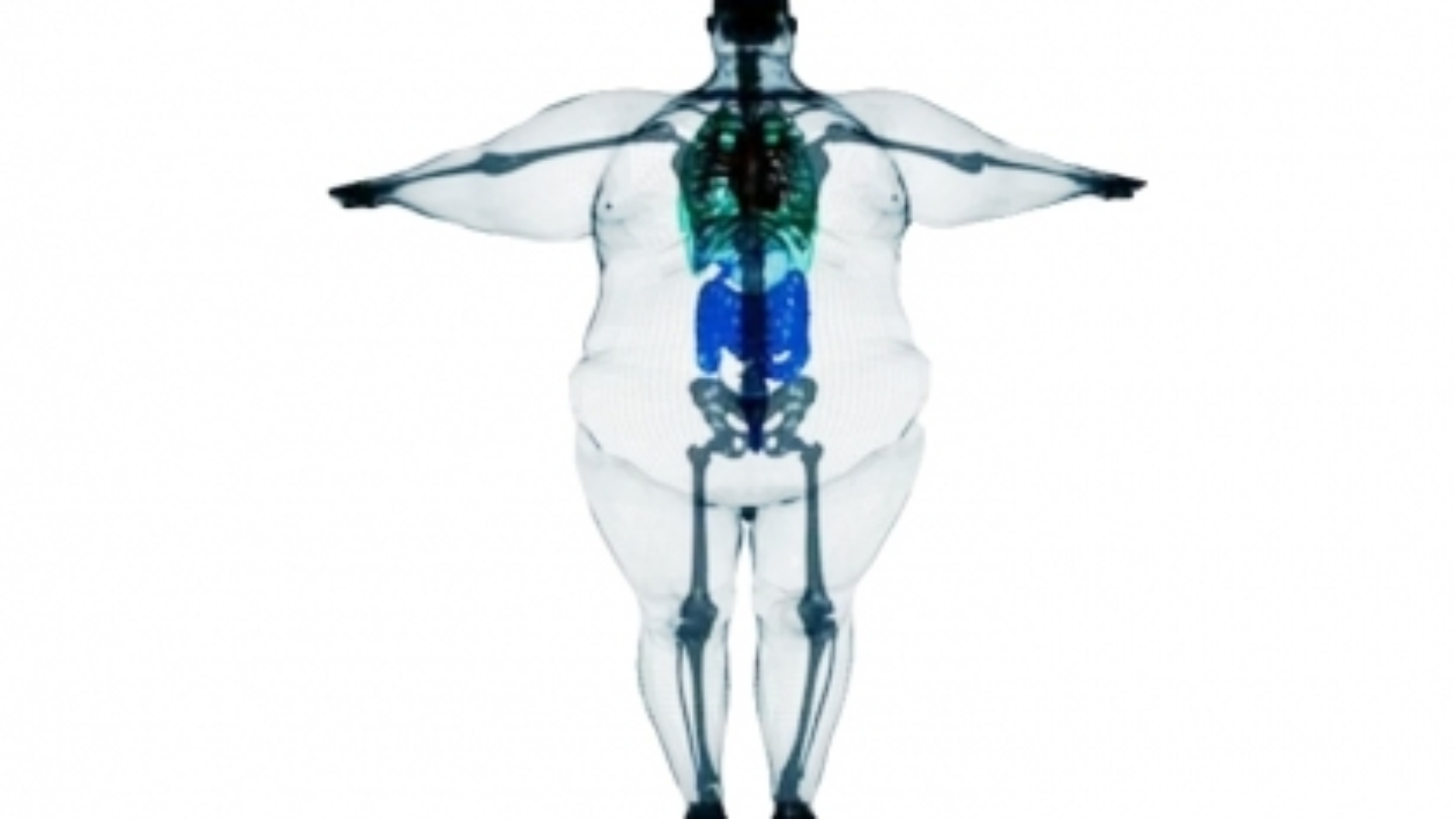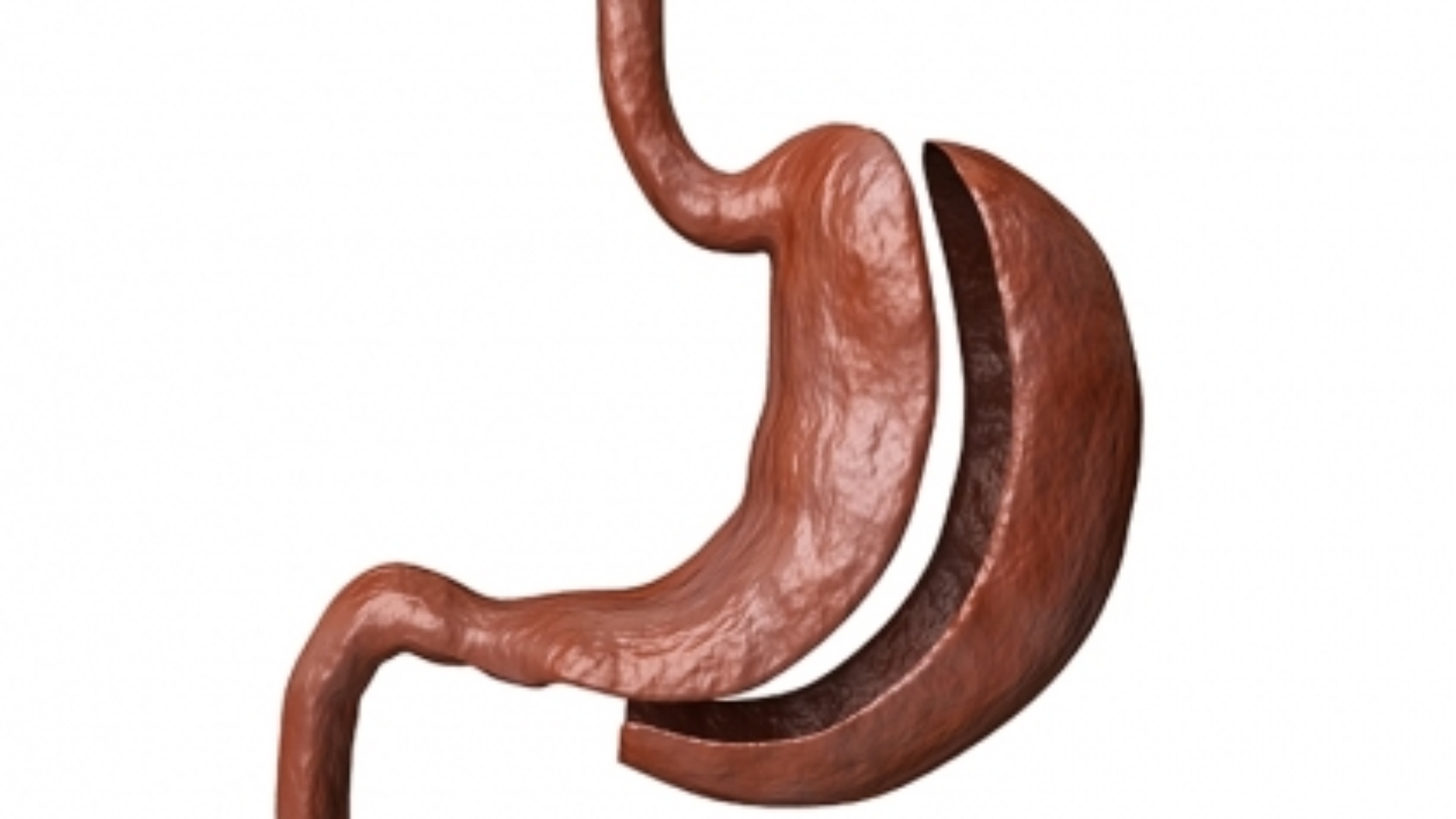

Sleeve gastrectomy, also known as gastric sleeve surgery in medical literature and stomach reduction surgery in common parlance, is the most frequently performed obesity surgery in Turkey and worldwide. In sleeve gastrectomy, 80% of the stomach is removed through approximately 0.5 cm incisions in the anterior abdominal wall, without making a large incision. The remaining 20% resembles a tube, hence the name sleeve gastrectomy. This minimally invasive procedure is called laparoscopic surgery.
The 80% removed portion includes the fundus, the area where the hunger hormone is secreted. Therefore, sleeve gastrectomy reduces stomach volume and decreases the feeling of hunger. It also has an absorption-reducing effect, though not as significant as gastric bypass surgery.
Before any obesity surgery, certain procedures must be performed to assess suitability. For example, a person undergoing obesity surgery must meet the Body Mass Index (BMI) criteria set by the World Health Organization. BMI is calculated by dividing a person’s weight by the square of their height. Each result has categories such as underweight, normal weight, obese, and morbidly obese. To be eligible for bariatric surgery, a result of 40 or higher is required. If additional health conditions are present besides obesity, a result of 35 or higher is sufficient. You can easily calculate your Body Mass Index (BMI) by visiting our BMI calculator page.
In addition to meeting BMI requirements, eligibility for bariatric surgery requires being over 11 years old, having no alcohol problems, and possessing sound mental faculties. Surgery is absolutely not performed on children under 11, and we do not recommend it for children under 16.
How is Sleeve Gastrectomy Performed?
Sleeve gastrectomy is performed laparoscopically. Laparoscopic surgery is a minimally invasive surgical technique. Unlike open surgeries, 10-15 cm incisions are not made. Instead, a few small holes of approximately 0.5 cm are made, and a camera and surgical instruments are inserted into the abdominal area through these holes. The surgeon monitors the surgical area on a high-resolution monitor while simultaneously performing the treatment. Thanks to this technique, the surgery is more comfortable and safer, and the post-operative process is less painful and faster. In the operation, which is performed under general anesthesia, 80% of the stomach is removed with the help of a stapler and the light from the inserted tube. The most important point of the surgery is to control bleeding at the suture line after the stomach is removed. To determine if there is any leakage at the suture line, the stomach is inflated with the help of special dyes. After the checks, the tube inserted at the beginning of the surgery is removed, and a drainage system is placed.
Advantages of Gastric Sleeve Surgery
- Because the stomach volume is reduced, satiety is achieved with less food. The belief that the variety of foods is restricted for life after the surgery is not true; everything can be eaten.
- The removal of the ghrelin hormone, which we call the hunger hormone, reduces the desire to eat.
- Since no procedure is performed on the intestines, risks such as bleeding, leakage, and blockage are not experienced.
- It takes less time than most obesity surgeries. It takes an average of 1 hour.
- It requires less hospital stay.
- There is no foreign body placed in the body.
- Absorption is not interfered with. Therefore, vitamin and mineral deficiencies occur less.
Post-Sleeve Gastrectomy
The post-operative process is more comfortable thanks to laparoscopic surgery. Less pain is experienced due to small incisions, and faster recovery is achieved. It is necessary to stay in the hospital for 3 days after the surgery. After the check-ups and tests performed during this time, the patient is sent home. They can do simple daily tasks after about 1 week. The ideal time to fully return to normal life is 1 month. Check-ups are done at 1, 3, 6, and 12 months. An average weight loss of 20 kilos is expected in the first month. By the end of 1 year, 70-80% of the excess weight can be lost.