kil-donmesi

Ingrown Hair

Pilonidal cysts are cavities or cysts, mostly located in the tailbone area, that contain hair, hair clumps, and pus. They can also occur in the armpits, groin, navel, and between the fingers. Previously thought to be congenital, this condition is now considered acquired. There are several causes and risk factors that facilitate ingrown hair disease:

Causes of Ingrown Hair

  • Excessive body hair and daily shedding of hair
  • A narrow and deep crevice between the buttocks (This causes the shedding hairs to remain in the narrow and deep groove for a long time due to the increased suction force applied to the hairs)
  • The skin remaining moist for a long time (This makes it easier for hairs to become ingrown)
  • The presence of cracks or scar tissue in the crevice between the buttocks
  • Working while sitting for long periods (The accumulated hairs constantly cause injury in this area)
  • Poor hygiene

Risk Groups

  • People between the ages of 20-40
  • Those who work while sitting for long periods (desk) (Office workers, students, drivers, etc.)
  • Men
  • Those with dense hair
  • Those with dark skin

Symptoms of Pilonidal Cyst

  • Swelling
  • Pain
  • Chronic discharge

Diagnosis

When the patient consults a doctor, a visual examination is performed and the rotation in the tailbone area is seen. Although very rare, MRI can be used if there is any doubt.

Treatment of Pilonidal Cyst

In the case of an abscessed pilonidal cyst, the abscess is drained under regional (local) or general anesthesia. Antibiotics and anti-inflammatory drugs are added to the treatment. However, the main treatment for the disease is surgery.

Microsinusectomy: In small cysts, this involves injecting phenol/silver nitrate into the cyst and removing the skin openings. The recurrence rate is around 50%. It is used in limited cases.

Open surgical method: The cyst is removed as is, leaving the tissue open. The healing time is long, it is painful due to continuous dressings, and the probability of recurrence is high.

Closed method (Limberg rotation flap): In this method, which we also use, the cyst is removed in a diamond shape. The open area is closed with skin/subcutaneous fatty tissue shifted from the right hip, and a drainage drain is placed. It is performed under spinal anesthesia (numbing from the waist). It takes approximately 30 minutes. The patient is discharged the next day. The stitches are removed after 9-10 days, and the process is complete. It is recommended not to sit except during meals and toilet use for the first week.

Its advantages include quick recovery, postoperative pain comfort and low risk of recurrence (1-2).

Diseases

hemoroid

Hemorrhoids

Hemorrhoids are enlarged cushions in the upper part of the anal canal. Also known as piles or anal fissures, hemorrhoids have two types: internal and external. Due to various reasons, the venous cushions in the anal canal can protrude outside the anus over time, forming hemorrhoid disease.

Causes of Hemorrhoids?

  • Changes in bowel habits such as chronic constipation and prolonged diarrhea
  • Pregnancy and childbirth
  • Working while sitting for extended periods (such as driving)
  • Working while standing for extended periods
  • Sedentary lifestyle, laziness
  • Horse riding, cycling
  • Alcohol
  • Tumors in the pelvic region

Symptoms of Hemorrhoids

  • Palpitated swelling in the anus
  • Anal pain
  • Painful or painless bleeding during defecation
  • Discharge, feeling of wetness
  • Itching
The symptoms listed above may also be indicative of other diseases. Diseases such as cancer, tumors, colitis, anal fissures, and fistulas can also cause these complaints. Therefore, a person who suspects hemorrhoids should not act on their own or on the advice of others, but should definitely consult a doctor. When a doctor is consulted, hemorrhoid treatment can be provided in a short time, another underlying disease can be diagnosed, and treatment can be followed accordingly. On the other hand, if there are internal hemorrhoids, the symptoms may appear later. Pain is a symptom that appears later in internal hemorrhoids. We divide hemorrhoids into 4 degrees. In the first degree, the cushions are less prominent. In the second degree, the hemorrhoid lumps protrude outside during defecation and can spontaneously return inside. Itching and bleeding in the anus may occur. In third-degree hemorrhoids, the lumps that protrude outside during defecation can only be pushed back inside by hand. In the fourth degree, they cannot be pushed back inside even by hand.

Hemorrhoid Treatment

Hemorrhoid treatment can be done with surgical and non-surgical methods. The treatment method is determined according to the degree of the disease. In first-degree hemorrhoids, dietary and toilet habits are usually sufficient. In second and third-degree hemorrhoids, medication is recommended in addition to these. In fourth-degree hemorrhoids, surgical methods may be necessary. Among non-surgical hemorrhoid treatments, we can mention band ligation, sclerotherapy, and infrared coagulation methods. In the band ligation method, the hemorrhoid nodules are compressed with rubber bands. In this way, the vascular supply is disrupted, and the nodule dries up and falls off. It is suitable for internal hemorrhoids. In external hemorrhoids, pain may be felt around the anus. In the sclerotherapy method, a substance called a sclerosant is injected into the hemorrhoid nodules. In this way, the nodule dries up. Its place in treatment is limited and insufficient. In the infrared coagulation method, the hemorrhoid nodule is dried up by applying infrared light to its vascular root. Suitable for second-degree hemorrhoids. May require several sessions, recurrence rate is high.

Hemorrhoid Surgery

Classic Hemorrhoid Surgery: Hemorrhoid nodules are surgically removed. During the removal process, a knot is tied in the blood vessel supplying the nodules, which reduces the recurrence rate. In addition, if the internal sphincter muscle around the anus, which works uncontrollably, is partially cut and relaxed, both postoperative comfort is increased and the chance of recurrence is slightly reduced. Longo (Stapler) Hemorrhoidopexy: Hemorrhoid nodules that form 4-5 cm above the anal canal are compressed with a special stapler for 1-2 cm and removed with an automatic stapler device. This method allows for less pain after the procedure and an earlier return to normal life. However, its cost is slightly higher than classic surgery and its recurrence rate is also slightly higher.

Things to Pay Attention to After Hemorrhoid Surgery

  • You can be discharged the day after the surgery.
  • After discharge, you should use the medications prescribed by your doctor regularly.
  • There may be some spotting and leakage from the anus for 1-2 weeks; this is normal.
  • We recommend using stool softeners for about 1 month. This will improve your post-operative bowel comfort.
  • We recommend taking sitz baths for 15-20 days. You can do this morning and evening, and after bowel movements, by filling a bathtub or basin with water at a temperature that will not burn the anus. This process will both act as a wound dressing, alleviate possible pain, and contribute to your healing. Remember that applying hot water or a hot water bottle to this area will not have the same effect.
  • Don’t forget to consume plenty of fiber-rich foods and drink at least 2 liters of water a day. This recommendation applies not only to our patients who have had hemorrhoid surgery, but to everyone.
  • Eat plenty of fruits and vegetables, don’t delay going to the toilet, and don’t sit on the toilet for a long time.

Diseases

kolon-kalinbagirsak-kanseri

Colon Cancer

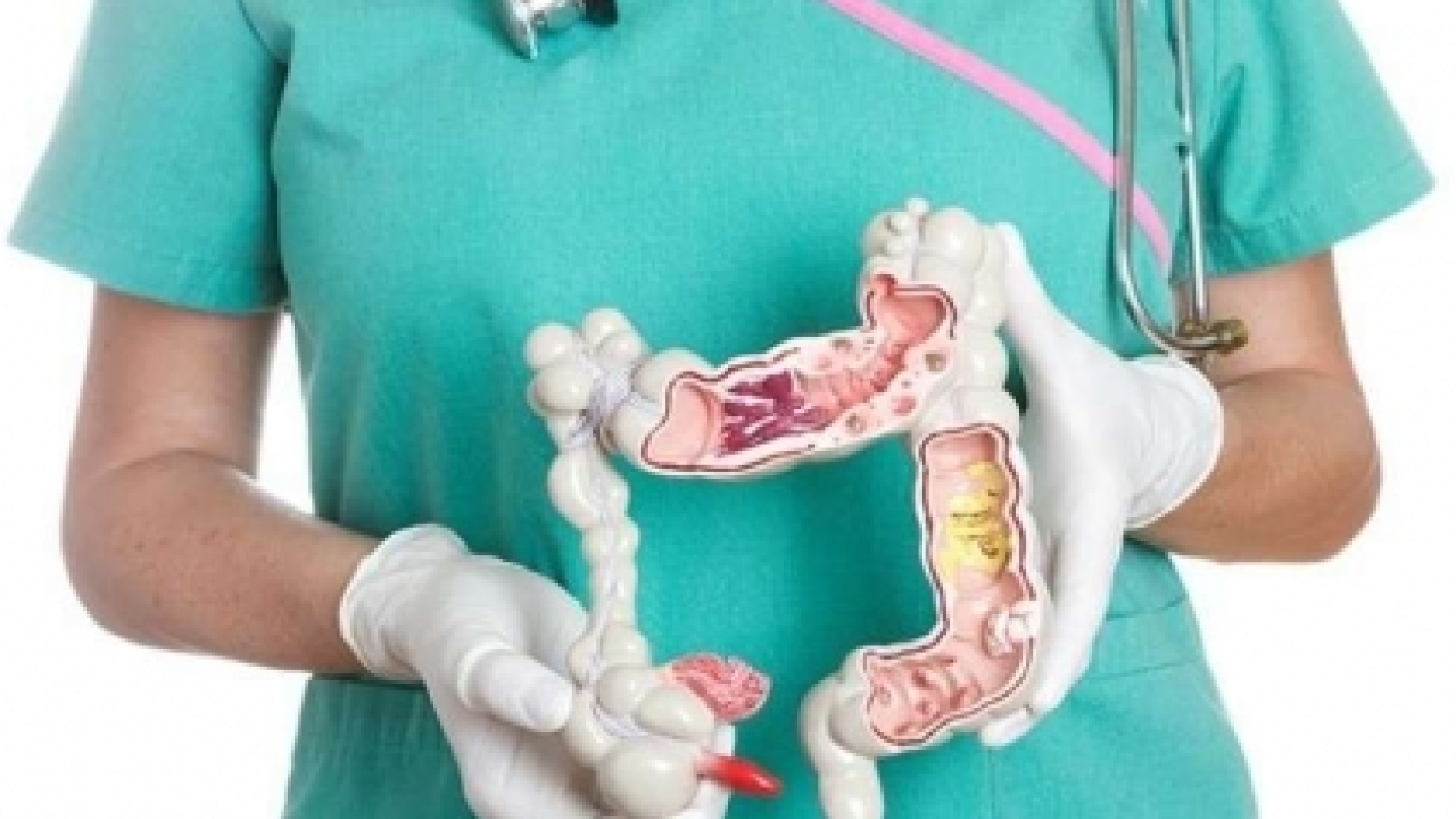
One in every 19 people develops colorectal cancer. Colorectal cancer (also known as colon cancer) is the third most common type of cancer in developed countries, after breast cancer in women and lung cancer in men. The risk is higher in men after the age of 50.

Factors such as consuming too much red meat, eating excessively fatty foods, and living a sedentary lifestyle increase the risk of developing colon cancer. Similarly, those who are overweight have a higher chance of developing this cancer.

To Protect Yourself from Colon Cancer

  • Eat a healthy diet.
  • Investigate your genetic predisposition.
  • Live an active life (Do regular sports and exercise).
  • Lose weight.
  • Quit smoking if you smoke.
  • Take vitamin D. (Benefit from sunlight)
  • Have regular colonoscopies at age 50.

Remember that colon cancer is a preventable type of cancer. The important thing is to diagnose it early and to apply very simple prevention methods.

Symptoms of Colon Cancer

  • Blood in stool
  • Irregularities, changes in bowel habits
  • Pain in the abdomen and rectum
  • Weight loss
  • Fatigue
  • Feeling of tightness in the rectum

Colon Cancer Treatment

If colon cancer is confined to the intestine, it is treated surgically, and quite encouraging results can be obtained. If it has spread to the lymph nodes outside the intestine, the main treatment is still surgery; however, protective drug treatment (chemotherapy) is applied after the surgery. If the cancer has spread to certain organs, surgery can be performed to a certain extent, but this time the main treatment is chemotherapy. Surgery may also be necessary to remove the cancer from the organs it has spread to. For example, if it has spread to the liver, surgery is performed for that purpose.

Diseases

safra-kesesi-hastaliklari

Gallbladder

The gallbladder is located beneath the liver and is where bile, secreted by the liver, is collected. The liver secretes approximately 500-1500 ml of bile daily. A portion of this bile is stored in the gallbladder. During digestion, the gallbladder contracts and releases bile into the intestine. This is how fatty foods are absorbed.

Causes of Gallstone Formation

The risk of developing gallstones increases with age.

They are more common in women.

They are more common in people with fair skin and blonde hair.

The risk is higher in those who have given birth many times.

Overweight individuals are always at higher risk.

The risk increases as cholesterol levels rise.

Genetic predisposition is important.

In fact, the foods consumed do not have a direct effect on gallstone formation. However, if stones are already present, eggs, alcohol, fatty foods, and legumes with shells increase the likelihood of pain. During prolonged fasting, bile flow decreases and begins to form sediment. The resulting sediments create a زمینه for gallstones. These stones are usually soft, gray-brown in color, easily crushed stones composed of cholesterol crystals.

Gallbladder inflammation (Cholecystitis)

Gallbladder stones usually do not cause any symptoms. Diagnosis is often made during a check-up or incidentally during the diagnosis of other diseases. The stones can block the gallbladder duct, preventing bile flow. In this case, edema occurs in the gallbladder wall. This is called gallbladder inflammation, and symptoms begin at this stage. A large number of stones, very small stones, or stones larger than 2-3 cm increase the likelihood of gallbladder inflammation. If the blockage persists, decay and perforation of the gallbladder wall may occur. In this case, abdominal pain may occur. In addition, symptoms such as indigestion and bloating may also occur. If severe abdominal pain occurs due to perforation, requiring emergency surgery, the patient will need to be able to breathe.

Diseases Caused by Gallstones

Especially small stones, some as small as millimeters, can fall into the main bile duct connecting the liver to the duodenum, causing a blockage of the main bile duct. This can lead to a condition called non-infectious jaundice, which darkens the urine, and causes intermittent “colic pain.” This disease can damage the liver. If infection and fever are also present, inflammation of the bile duct, called cholangitis, may develop. If the stones block the opening of the bile duct into the duodenum, it can lead to a very serious disease called pancreatitis. Pancreatitis can be mild or can lead to a life-threatening condition requiring intensive care.

Treatment

For gallstones that are usually found incidentally and do not cause discomfort, we only monitor patients aged 70-75 and older, excluding those with acute cholecystitis, which is an inflammatory condition of the gallbladder, without the need for surgery. We recommend surgery if the following conditions are present:

* Gallbladders with millimeter-sized stones that carry the risk of blocking the gallbladder duct and causing obstruction by spilling into the main bile duct

* Stones larger than 2 cm that pose a risk of chronic gallbladder inflammation and, although with a very low risk, gallbladder cancer

* Stones that cause pain, indigestion, bloating, and similar complaints regardless of their size

* Gallbladders containing stones; In the presence of diabetes, which can lead to the possibility of rapid infection risk, perforation, and decreased pain sensation:

*In the presence of polyps larger than 5 mm in diameter (especially over 10 mm) and rapidly growing polyps

*In patients with inflammatory gallbladder disease (acalculous cholecystitis) that does not contain stones

*In cases of inflammatory gallbladder disease (cholecystitis) and gallbladder perforation, surgery is recommended.

How is Gallbladder Surgery Performed?

Gallbladder surgery is performed laparoscopically (closed). This method allows for faster healing, a lower risk of wound infection and hernia, and a more aesthetic appearance because the abdominal area is not incised. Through 1 cm incisions, the gallbladder and stones are removed. The operation takes approximately 20 minutes. The patient is usually discharged the next day.

Diseases

paratiroid-hastaliklari

Parathyroid Diseases

The parathyroid glands are located behind the thyroid glands in the neck. They are usually two pea-sized glands, one on each side, and secrete parathyroid hormone (PTH), which helps the body maintain the correct balance of calcium and phosphorus.

PTH (parathyroid hormone) controls calcium and phosphorus levels in the blood. Functions of PTH (Parathyroid Hormone):

* Regulates the balance of calcium and phosphorus in body fluids and blood.

* Allows calcium to pass from bones into the blood.

* Ensures the absorption of calcium ions from digested food into the blood.

* Reduces the excretion of phosphorus from the kidneys, increasing its amount in the blood.

Measuring the levels of calcium and phosphorus in the patient’s blood, as well as PTH (parathyroid hormone) levels, provides sufficient information to check whether the parathyroid glands are functioning properly.

Even small changes in blood calcium levels can cause certain nerve and muscle disorders, making the parathyroid glands crucial in the human body.

If too much or too little PTH is produced, calcium levels in the body can dangerously increase or fall below normal.

Causes of High Parathyroid Hormone (PTH) Levels

  • Vitamin D deficiency or excess in the body
  • Calcium or magnesium deficiency
  • Parathyroid gland diseases
  • High calcium levels in the body
  • Kidney diseases
  • High phosphorus levels

Various symptoms may appear when PTH levels are elevated, including depression, fatigue, muscle and back pain, kidney stones, and constipation. If you suspect any of these symptoms, you should consult an endocrinology specialist.

Parathyroid Gland Diseases

  • Hyperparathyroidism
  • Hypoparathyroidism
  • Parathyroid cancer

Diseases

tiroid-bezi-ve-hastaliklari

Thyroid Gland and Diseases

The thyroid gland is an organ located in the neck that produces two hormones. Situated just below the Adam’s apple, these two hormones enable the body to use and store energy. This function performed by the thyroid gland is also called metabolism.

Certain changes or disorders can occur in the thyroid gland. For example, an enlargement of the thyroid gland is called goiter, underactivity or complete lack of activity is called hypothyroidism, and overactivity is called hyperthyroidism. The formation of cancer cells in the gland is called thyroid cancer. A significant portion of our society has thyroid disease. Many people are unaware of the disease because it does not cause any symptoms.

Goiter is the enlargement of the thyroid gland. Goiter, sometimes accompanied by nodules, can manifest as swelling on one or both sides of the neck. If it’s a simple enlargement, it may not cause any symptoms. Large and nodular goiters, along with swelling, can cause shortness of breath, difficulty swallowing, and sometimes pain. To learn more about the causes, symptoms, and treatment methods of goiter, you can read our article goiter.

Hypothyroidism

Hypothyroidism means that the thyroid hormone is insufficient or failing. It is the most common thyroid disease. The risk increases in women and in older age groups. Genetic predisposition plays an important role. Low thyroid hormone secretion causes fatigue. There is a decrease in mental and physical performance. Because it raises cholesterol, it can cause heart disease. To learn more about the causes, symptoms, and treatment methods of hypothyroidism, you can read our article hypothyroidism.

Hyperthyroidism

Hyperthyroidism, the opposite of hypothyroidism, means the overproduction of thyroid hormone. Excessive thyroid hormone production affects the heart, nervous system, and muscles. Symptoms may include muscle weakness, hand tremors, heart palpitations, fatigue, and irritability. The most important cause of hyperthyroidism is Graves’ disease. Graves’ disease, which arises due to genes and the immune system, causes the thyroid gland to produce more hormones than normal. A typical noticeable finding in these patients is that their eyes appear to bulge out. To learn more about the causes, symptoms, and treatment methods of hyperthyroidism, you can read our article hyperthyroidism.

Thyroid Cancers

It is a type of cancer that forms in the cells of the thyroid gland. It is not a very common type. It occurs in 6% of women and 1.5% of men. Many thyroid tumors are benign. There is a 5% chance of them being cancerous. Although the cause of thyroid cancer has not yet been definitively proven, excessive radiation is known to be the primary factor. To learn more about the causes, symptoms, and treatment methods of thyroid cancers, you can read our article thyroid cancer.

Diseases

guatr

Goiter

There is a common misconception that all thyroid diseases are goiter, and that the thyroid gland is also called goiter. Goiter is the name given to the enlargement of the thyroid gland. Sometimes seen with nodules, this disease usually shows no symptoms in its milder stages. Swelling on one or both sides of the neck is a visible symptom and can be considered the most important finding. Before looking at the symptoms, let’s look at the causes.

The most important cause of goiter is iodine deficiency. Iodine deficiency increases the body’s need for hormones, and goiter can occur. The same is true during pregnancy. Since iodine deficiency is very common in our country, goiter is also a very common problem. On the other hand, other diseases of the thyroid gland, such as hyperthyroidism, hypothyroidism, thyroid nodules, thyroid inflammation, and thyroid cancers, can also cause goiter.

Goiter Symptoms

Simple goiters usually do not cause symptoms. Large and nodular goiters, however, can cause:

Swelling on one or both sides of the neck,

Shortness of breath and difficulty swallowing,

Enlargement of the veins in the neck,

Pain if there is sudden growth and internal bleeding.

Nodular Goiter (Thyroid Nodules)

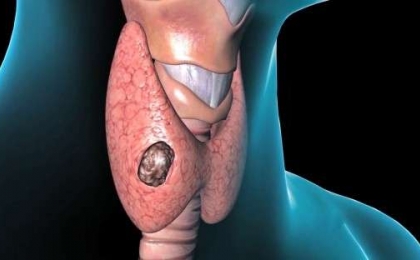
Abnormal tissues that form within the thyroid gland are called thyroid nodules or nodular goiter. Nodules should be monitored carefully as they can turn cancerous in 5% of cases. If the nodule continues to grow despite treatment, if there is swelling in the lymph nodes, if there is a deepening of the voice, and if it is a type called a “cold nodule,” then the possibility of cancer should be suspected. The only symptom of nodular goiter is usually swelling in the neck. If there is bleeding inside the nodule, pain may also occur. If it grows, it can cause shortness of breath and difficulty swallowing.

Treatment of Nodular Goiter

Nodular goiter is diagnosed with tests such as biopsy, ultrasound, and scintigraphy. The treatment method is determined according to the results of the biopsy. Surgery may be recommended if cancer is present, if the nodule is larger than 3 cm in diameter, if it is growing rapidly, or if there is swelling in the lymph nodes. For some benign nodules that are not cancerous, medication may be applied. Sometimes, only observation is necessary.

Diseases

hipotiroidi

Hypothyroidism

Hypothyroidism is a condition characterized by low levels of thyroid hormone. This most common condition is more prevalent in women, older adults, and those with a family history of hypothyroidism. The symptoms of hypothyroidism can be confused with other illnesses. Not all symptoms may be present in the patient, or their severity may vary. Therefore, early diagnosis through blood tests is crucial.

Hypothyroidism, which often leads to mental and physical fatigue, can also cause high cholesterol, increasing the risk of heart disease. Furthermore, if left untreated, it can lead to a life-threatening condition called myxedema coma. If it occurs during pregnancy, it can negatively affect the baby’s health and disrupt the child’s mental and physical development after birth. Hypothyroidism can be detected during routine post-natal tests.

If you have symptoms of hypothyroidism and suspect it, you should definitely get a blood test. If the test is positive, you should inform your immediate family members so they can also get tested. Individuals with a family history of hypothyroidism, pregnant women, and women over 60 should all be checked.

Symptoms of Hypothyroidism

  • Physical fatigue
  • Mental fatigue
  • Inactivity
  • Weight gain
  • Constipation
  • Menstrual irregularities
  • Dry skin

Causes of Hypothyroidism

The most important cause of hypothyroidism is Hashimoto’s thyroiditis. This disease causes the immune system to damage the thyroid gland, preventing it from producing hormones. It can be congenital, or it can occur as a result of radioactive iodine and surgical procedures used in the treatment of other thyroid diseases.

Treatment of Hypothyroidism

Hypothyroidism is treated with hormone medications. With the given medication, a laboratory-produced version of T4, which the thyroid gland naturally produces, is delivered to the body. Since thyroid hormone preparations are not all identical, it is necessary to continue with the medication from the same manufacturer. If a change of medication is necessary for any reason, a blood test for TSH should be performed. These medications, which must be used for life, cannot provide complete treatment if taken in insufficient amounts, and can cause bone loss and impaired heart function if taken in excessive amounts.

Diseases

hipertiroidi

Hyperthyroidism

Hyperthyroidism is a condition in which too much thyroid hormone is produced. Excess thyroid hormone affects the heart, nervous system, and muscles. Symptoms may include muscle weakness, hand tremors, heart palpitations, fatigue, and irritability. The most important cause of hyperthyroidism is Graves’ disease. Graves’ disease, which arises due to genes and the immune system, causes the thyroid gland to produce more hormone than normal. A typical noticeable finding in these patients is that their eyes appear to bulge out of their sockets.

Symptoms of Hyperthyroidism

  • Muscle weakness
  • Hand tremors
  • Fatigue
  • Heart palpitations
  • Weight loss (even if eaten a lot)
  • Increased bowel movements; Therefore, diarrhea problem
  • Irritability
  • Eye discomfort and difficulty seeing
  • Sweating, intolerance to heat
  • Menstrual irregularities
  • Infertility

Causes of Hyperthyroidism

The most important cause of hyperthyroidism is Graves’ disease. Due to this disease, antibodies formed in the immune system against the thyroid gland cause the thyroid gland to produce more hormone than normal. The most noticeable symptom in these patients is that the eyes appear to bulge out. On the other hand, thyroid nodules, taking thyroid hormone supplements, and inflammation of the thyroid glands are also among the causes of hyperthyroidism.

Treatment of Hyperthyroidism

In hyperthyroidism, radioactive iodine therapy is applied first. Iodine, labeled with radioactive substances, is absorbed by the thyroid gland and destroys it. After this procedure, administered as a single pill or liquid, the patient is instructed to stay home alone for 1-2 days to avoid spreading radiation. It is an effective method. However, because it destroys the thyroid gland, hormone replacement therapy may be necessary.

If radioactive iodine treatment is not possible, if medications have been ineffective, or if the thyroid gland is very large and obstructing breathing, a thyroidectomy (removal of the thyroid gland) is the definitive solution. Patients must be monitored after radioactive iodine treatment or surgery, and hormone replacement therapy should be given if necessary.

Diseases

tiroid-kanseri

Thyroid Cancer

Thyroid cancer is cancer that develops in the cells of the thyroid gland. It is not a very common type of cancer. It occurs in 6% of women and 1.5% of men. Since most thyroid tumors are benign, and there is a 5% chance they will turn cancerous, they need to be carefully monitored.

Causes of Thyroid Cancer

While the exact cause of thyroid cancer is unknown, it has been shown that it develops due to excessive radiation. Exposure to radiation, especially to the neck area, such as radiotherapy treatment to this region, can cause thyroid cancer. Many people exposed to the Chernobyl disaster died from thyroid cancer. On the other hand, genetic factors also have a significant impact. A person with a family history of thyroid cancer has an increased risk of developing the disease.

Thyroid Cancer Symptoms

Thyroid cancer should be suspected if: nodules appear in children before puberty; nodules suddenly appear in the elderly; there is a family history of thyroid cancer; a single nodule is seen in men; or there is a sudden onset of voice problems and difficulty swallowing.

Thyroid Cancer Treatment

Thyroid cancer is usually diagnosed with ultrasonography. For a more detailed diagnosis, scintigraphy or biopsy may be performed. If cancer is diagnosed, the first treatment method is surgery. If the cancer has spread to the lymph nodes, the thyroid gland is completely removed with a total thyroidectomy. Lymph nodes should also be removed if necessary. In fact, the preferred method is removal of the entire gland. This method eliminates the risk of recurrence and also allows for radioactive iodine therapy.

Radioactive iodine therapy can be applied 6 weeks after surgical treatment.

Diseases