
paratiroid-hastaliklari

Parathyroid Diseases

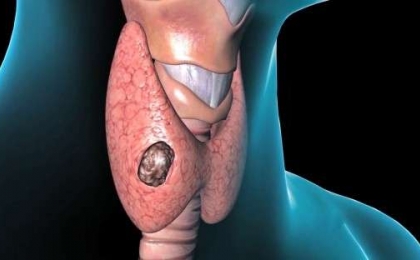
The parathyroid glands are located behind the thyroid glands in the neck. They are usually two pea-sized glands, one on each side, and secrete parathyroid hormone (PTH), which helps the body maintain the correct balance of calcium and phosphorus.

PTH (parathyroid hormone) controls calcium and phosphorus levels in the blood. Functions of PTH (Parathyroid Hormone):

* Regulates the balance of calcium and phosphorus in body fluids and blood.

* Allows calcium to pass from bones into the blood.

* Ensures the absorption of calcium ions from digested food into the blood.

* Reduces the excretion of phosphorus from the kidneys, increasing its amount in the blood.

Measuring the levels of calcium and phosphorus in the patient’s blood, as well as PTH (parathyroid hormone) levels, provides sufficient information to check whether the parathyroid glands are functioning properly.

Even small changes in blood calcium levels can cause certain nerve and muscle disorders, making the parathyroid glands crucial in the human body.

If too much or too little PTH is produced, calcium levels in the body can dangerously increase or fall below normal.

Causes of High Parathyroid Hormone (PTH) Levels

  • Vitamin D deficiency or excess in the body
  • Calcium or magnesium deficiency
  • Parathyroid gland diseases
  • High calcium levels in the body
  • Kidney diseases
  • High phosphorus levels

Various symptoms may appear when PTH levels are elevated, including depression, fatigue, muscle and back pain, kidney stones, and constipation. If you suspect any of these symptoms, you should consult an endocrinology specialist.

Parathyroid Gland Diseases

  • Hyperparathyroidism
  • Hypoparathyroidism
  • Parathyroid cancer

Diseases

tiroid-bezi-ve-hastaliklari

Thyroid Gland and Diseases

The thyroid gland is an organ located in the neck that produces two hormones. Situated just below the Adam’s apple, these two hormones enable the body to use and store energy. This function performed by the thyroid gland is also called metabolism.

Certain changes or disorders can occur in the thyroid gland. For example, an enlargement of the thyroid gland is called goiter, underactivity or complete lack of activity is called hypothyroidism, and overactivity is called hyperthyroidism. The formation of cancer cells in the gland is called thyroid cancer. A significant portion of our society has thyroid disease. Many people are unaware of the disease because it does not cause any symptoms.

Goiter is the enlargement of the thyroid gland. Goiter, sometimes accompanied by nodules, can manifest as swelling on one or both sides of the neck. If it’s a simple enlargement, it may not cause any symptoms. Large and nodular goiters, along with swelling, can cause shortness of breath, difficulty swallowing, and sometimes pain. To learn more about the causes, symptoms, and treatment methods of goiter, you can read our article goiter.

Hypothyroidism

Hypothyroidism means that the thyroid hormone is insufficient or failing. It is the most common thyroid disease. The risk increases in women and in older age groups. Genetic predisposition plays an important role. Low thyroid hormone secretion causes fatigue. There is a decrease in mental and physical performance. Because it raises cholesterol, it can cause heart disease. To learn more about the causes, symptoms, and treatment methods of hypothyroidism, you can read our article hypothyroidism.

Hyperthyroidism

Hyperthyroidism, the opposite of hypothyroidism, means the overproduction of thyroid hormone. Excessive thyroid hormone production affects the heart, nervous system, and muscles. Symptoms may include muscle weakness, hand tremors, heart palpitations, fatigue, and irritability. The most important cause of hyperthyroidism is Graves’ disease. Graves’ disease, which arises due to genes and the immune system, causes the thyroid gland to produce more hormones than normal. A typical noticeable finding in these patients is that their eyes appear to bulge out. To learn more about the causes, symptoms, and treatment methods of hyperthyroidism, you can read our article hyperthyroidism.

Thyroid Cancers

It is a type of cancer that forms in the cells of the thyroid gland. It is not a very common type. It occurs in 6% of women and 1.5% of men. Many thyroid tumors are benign. There is a 5% chance of them being cancerous. Although the cause of thyroid cancer has not yet been definitively proven, excessive radiation is known to be the primary factor. To learn more about the causes, symptoms, and treatment methods of thyroid cancers, you can read our article thyroid cancer.

Diseases

guatr

Goiter

There is a common misconception that all thyroid diseases are goiter, and that the thyroid gland is also called goiter. Goiter is the name given to the enlargement of the thyroid gland. Sometimes seen with nodules, this disease usually shows no symptoms in its milder stages. Swelling on one or both sides of the neck is a visible symptom and can be considered the most important finding. Before looking at the symptoms, let’s look at the causes.

The most important cause of goiter is iodine deficiency. Iodine deficiency increases the body’s need for hormones, and goiter can occur. The same is true during pregnancy. Since iodine deficiency is very common in our country, goiter is also a very common problem. On the other hand, other diseases of the thyroid gland, such as hyperthyroidism, hypothyroidism, thyroid nodules, thyroid inflammation, and thyroid cancers, can also cause goiter.

Goiter Symptoms

Simple goiters usually do not cause symptoms. Large and nodular goiters, however, can cause:

Swelling on one or both sides of the neck,

Shortness of breath and difficulty swallowing,

Enlargement of the veins in the neck,

Pain if there is sudden growth and internal bleeding.

Nodular Goiter (Thyroid Nodules)

Abnormal tissues that form within the thyroid gland are called thyroid nodules or nodular goiter. Nodules should be monitored carefully as they can turn cancerous in 5% of cases. If the nodule continues to grow despite treatment, if there is swelling in the lymph nodes, if there is a deepening of the voice, and if it is a type called a “cold nodule,” then the possibility of cancer should be suspected. The only symptom of nodular goiter is usually swelling in the neck. If there is bleeding inside the nodule, pain may also occur. If it grows, it can cause shortness of breath and difficulty swallowing.

Treatment of Nodular Goiter

Nodular goiter is diagnosed with tests such as biopsy, ultrasound, and scintigraphy. The treatment method is determined according to the results of the biopsy. Surgery may be recommended if cancer is present, if the nodule is larger than 3 cm in diameter, if it is growing rapidly, or if there is swelling in the lymph nodes. For some benign nodules that are not cancerous, medication may be applied. Sometimes, only observation is necessary.

Diseases

hipotiroidi

Hypothyroidism

Hypothyroidism is a condition characterized by low levels of thyroid hormone. This most common condition is more prevalent in women, older adults, and those with a family history of hypothyroidism. The symptoms of hypothyroidism can be confused with other illnesses. Not all symptoms may be present in the patient, or their severity may vary. Therefore, early diagnosis through blood tests is crucial.

Hypothyroidism, which often leads to mental and physical fatigue, can also cause high cholesterol, increasing the risk of heart disease. Furthermore, if left untreated, it can lead to a life-threatening condition called myxedema coma. If it occurs during pregnancy, it can negatively affect the baby’s health and disrupt the child’s mental and physical development after birth. Hypothyroidism can be detected during routine post-natal tests.

If you have symptoms of hypothyroidism and suspect it, you should definitely get a blood test. If the test is positive, you should inform your immediate family members so they can also get tested. Individuals with a family history of hypothyroidism, pregnant women, and women over 60 should all be checked.

Symptoms of Hypothyroidism

  • Physical fatigue
  • Mental fatigue
  • Inactivity
  • Weight gain
  • Constipation
  • Menstrual irregularities
  • Dry skin

Causes of Hypothyroidism

The most important cause of hypothyroidism is Hashimoto’s thyroiditis. This disease causes the immune system to damage the thyroid gland, preventing it from producing hormones. It can be congenital, or it can occur as a result of radioactive iodine and surgical procedures used in the treatment of other thyroid diseases.

Treatment of Hypothyroidism

Hypothyroidism is treated with hormone medications. With the given medication, a laboratory-produced version of T4, which the thyroid gland naturally produces, is delivered to the body. Since thyroid hormone preparations are not all identical, it is necessary to continue with the medication from the same manufacturer. If a change of medication is necessary for any reason, a blood test for TSH should be performed. These medications, which must be used for life, cannot provide complete treatment if taken in insufficient amounts, and can cause bone loss and impaired heart function if taken in excessive amounts.

Diseases

hipertiroidi

Hyperthyroidism

Hyperthyroidism is a condition in which too much thyroid hormone is produced. Excess thyroid hormone affects the heart, nervous system, and muscles. Symptoms may include muscle weakness, hand tremors, heart palpitations, fatigue, and irritability. The most important cause of hyperthyroidism is Graves’ disease. Graves’ disease, which arises due to genes and the immune system, causes the thyroid gland to produce more hormone than normal. A typical noticeable finding in these patients is that their eyes appear to bulge out of their sockets.

Symptoms of Hyperthyroidism

  • Muscle weakness
  • Hand tremors
  • Fatigue
  • Heart palpitations
  • Weight loss (even if eaten a lot)
  • Increased bowel movements; Therefore, diarrhea problem
  • Irritability
  • Eye discomfort and difficulty seeing
  • Sweating, intolerance to heat
  • Menstrual irregularities
  • Infertility

Causes of Hyperthyroidism

The most important cause of hyperthyroidism is Graves’ disease. Due to this disease, antibodies formed in the immune system against the thyroid gland cause the thyroid gland to produce more hormone than normal. The most noticeable symptom in these patients is that the eyes appear to bulge out. On the other hand, thyroid nodules, taking thyroid hormone supplements, and inflammation of the thyroid glands are also among the causes of hyperthyroidism.

Treatment of Hyperthyroidism

In hyperthyroidism, radioactive iodine therapy is applied first. Iodine, labeled with radioactive substances, is absorbed by the thyroid gland and destroys it. After this procedure, administered as a single pill or liquid, the patient is instructed to stay home alone for 1-2 days to avoid spreading radiation. It is an effective method. However, because it destroys the thyroid gland, hormone replacement therapy may be necessary.

If radioactive iodine treatment is not possible, if medications have been ineffective, or if the thyroid gland is very large and obstructing breathing, a thyroidectomy (removal of the thyroid gland) is the definitive solution. Patients must be monitored after radioactive iodine treatment or surgery, and hormone replacement therapy should be given if necessary.

Diseases

tiroid-kanseri

Thyroid Cancer

Thyroid cancer is cancer that develops in the cells of the thyroid gland. It is not a very common type of cancer. It occurs in 6% of women and 1.5% of men. Since most thyroid tumors are benign, and there is a 5% chance they will turn cancerous, they need to be carefully monitored.

Causes of Thyroid Cancer

While the exact cause of thyroid cancer is unknown, it has been shown that it develops due to excessive radiation. Exposure to radiation, especially to the neck area, such as radiotherapy treatment to this region, can cause thyroid cancer. Many people exposed to the Chernobyl disaster died from thyroid cancer. On the other hand, genetic factors also have a significant impact. A person with a family history of thyroid cancer has an increased risk of developing the disease.

Thyroid Cancer Symptoms

Thyroid cancer should be suspected if: nodules appear in children before puberty; nodules suddenly appear in the elderly; there is a family history of thyroid cancer; a single nodule is seen in men; or there is a sudden onset of voice problems and difficulty swallowing.

Thyroid Cancer Treatment

Thyroid cancer is usually diagnosed with ultrasonography. For a more detailed diagnosis, scintigraphy or biopsy may be performed. If cancer is diagnosed, the first treatment method is surgery. If the cancer has spread to the lymph nodes, the thyroid gland is completely removed with a total thyroidectomy. Lymph nodes should also be removed if necessary. In fact, the preferred method is removal of the entire gland. This method eliminates the risk of recurrence and also allows for radioactive iodine therapy.

Radioactive iodine therapy can be applied 6 weeks after surgical treatment.

Diseases