mide-kanseri

Stomach Cancer

Stomach cancer is the fourth most common type of cancer. It develops as a result of malignant tumors forming in the stomach lining due to various reasons such as poor diet, smoking, and genetic predisposition. More common in men, stomach cancer tends to metastasize to the lymph nodes, liver, and lungs. As with all types of cancer, early diagnosis makes treatment easier.

Causes of Stomach Cancer

Stomach cancer can develop and spread from any part of the digestive system. There are several risk factors for its development. These factors can be listed as follows:

  • Poor nutrition (Processed foods, excessive consumption of animal products, ready-made supermarket products, excessively salted vegetables create a زمینه for the development of stomach cancer.)
  • Infection (The most important factor is Helicobacter pylori infection.)
  • Smoking
  • Alcohol
  • Genetic predisposition
  • Symptoms of Stomach Cancer
  • Indigestion
  • Bloating
  • Weight loss
  • Abdominal pain
  • Nausea
  • Vomiting
  • Feeling of fullness

The most important symptoms of stomach cancer are indigestion and bloating. In advanced stages, abdominal pain, nausea, vomiting, and weight loss may occur. Patients over 40 who have not previously experienced these complaints should pay attention to symptoms such as indigestion and weight loss.

Stomach Cancer Treatment

There are different types of stomach cancer. Treatment depends on these types. Cancers detected in the early stages make surgery easier. In surgery, the tumorous section or the entire stomach can be removed. In patients whose stomachs are removed, a new stomach is created from the intestine. These patients can lead normal lives. They only need to follow the prescribed diet.

Diseases

rektum-kanseri

Rectal Cancer

The 10-12 cm section at the end of the large intestine, just in front of the anus, is called the rectum. It is where stool is temporarily stored. When sufficient stool accumulation occurs, the rectum stretches, creating the sensation of defecation. The rectum consists of two parts: the upper and lower rectum. The lower part remains empty except during constipation.

Rectal cancer develops when polyps in this area transform into tumors. It is more common in men than women, especially men over 50, who are at the highest risk. However, the incidence increases after the age of 35. Genetic predisposition is important in rectal cancer. If someone in the family has had rectal cancer, the risk increases in other individuals.

Causes of Rectal Cancer

There are several risk factors for the development of rectal cancer, primarily genetic predisposition. These factors can be listed as follows:

  • Being male
  • Irregular and unhealthy diet (Especially excessive consumption of animal products and processed meat products)
  • Sedentary lifestyle (Insufficient physical activity)
  • Obesity (More common in overweight individuals)
  • Smoking
  • Genetic predisposition (If one family member has had rectal cancer, other family members are also at risk.)

Symptoms of Rectal Cancer

  • Recurrent bowel irregularities such as constipation and diarrhea,
  • Rectal bleeding (Blood in the stool),
  • Decreased stool diameter,
  • Difficulty defecating,
  • Pain

Rectal Cancer Treatment

Rectal cancer can be treated with surgery, radiotherapy, and chemotherapy. Surgery may involve either complete removal of the rectum or removal of the cancerous area, depending on the stage and spread of the tumor. Surgery, radiotherapy, and chemotherapy should be applied in combination.

Diseases

laparoskopi

Laparoscopy

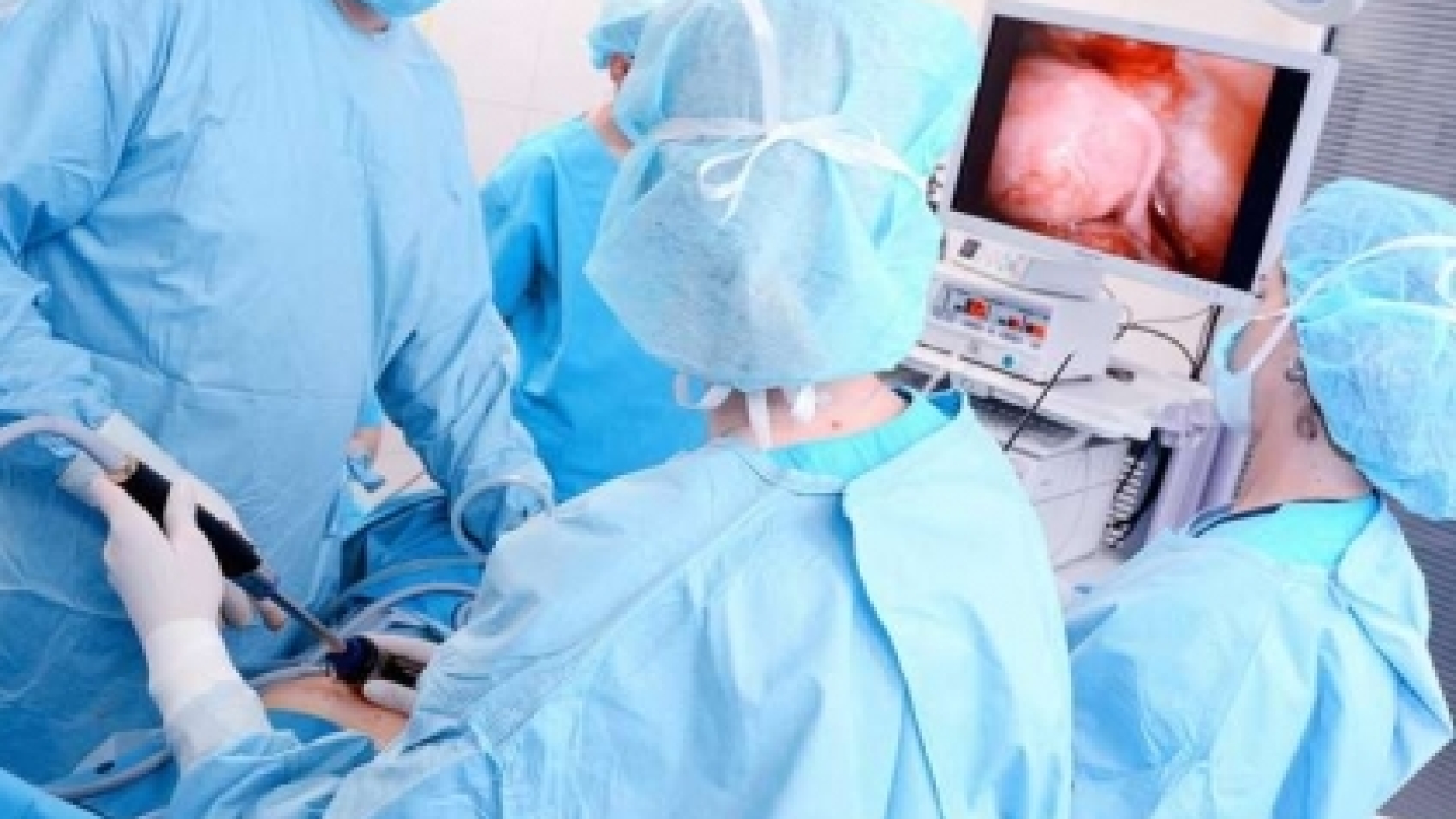
Laparoscopic surgery is a minimally invasive surgical method. Using thin, long instruments and a video camera, imaging and treatment are performed through small incisions of 0.5-1 cm. Laparoscopic surgery does not require large incisions like open surgery, which is its biggest advantage. Because the incisions are very small, the patient recovers more quickly, returns to normal life faster, does not experience pain after surgery as in open surgery, and the risk of complications is very low. The inclusion of a camera allows for a more detailed and comfortable surgical process. The camera images are transmitted to a television monitor, allowing the surgeon to observe even the finest details while simultaneously performing the treatment.

Advantages of Laparoscopic Surgery

  • Less pain is felt after surgery and it causes less trauma
  • The patient recovers faster
  • Earlier discharge
  • Faster return to normal life
  • Fewer wounds and more aesthetically pleasing scars
  • Less adhesions in the abdomen
  • Lower risk of complications.

Open Surgery

In open surgery, a large incision is made to visualize the abdominal organs. These incisions can be in different locations depending on the organs. They are usually 15-30 cm in size. This varies depending on the surgery and the patient’s size. The instruments used are those used in open surgery. After the surgery, the abdominal muscle membranes and skin are sutured separately. Manual manipulation of the internal organs, stretching of the abdominal wall with a retractor, and tight sutures cause significant pain and discomfort for the patient. It takes longer for the gastrointestinal system, in particular, to regain its normal function. All of this delays the patient’s hospital stay and return to normal life. The development of open surgery occurred after the discovery of anesthesia and antisepsis (in the 1850s). Therefore, its history spans approximately 165-170 years.

Laparoscopic surgery, on the other hand, was first used by gynecologists for simple procedures. Laparoscopic cholecystectomy (minimally invasive gallbladder surgery) became widespread after 1990. This was followed by colon surgery. It has been one of the most exciting advancements in the field of surgery in the last 25 years.

In Which Diseases is Laparoscopy Applied?

In the following cases, the laparoscopic method has moved beyond being experimental, developed, and become standard treatment:

Diseases

vucut-kitle-indeksi-hesaplama-formu

Body Mass Index Calculation

BMI Calculator
Use this calculator to check your body mass index (BMI).
BMI Calculator
Height
cm.
Please enter value between 125 and 225.
Weight
kg.
Please enter value between 10.0 and 500.0 ( one decimal ).
Height
ft.
in.
Please enter value between 4.2 and 7.3
Weight
lb.
st.
Please enter value between 22.0 and 1000.0 ( one decimal ).
Calculate BMI
Use this calculator to check your body mass index (BMI), which can be a helpful tool in determining your weight category. Or, use it to calculate your child’s BMI.

Diseases