
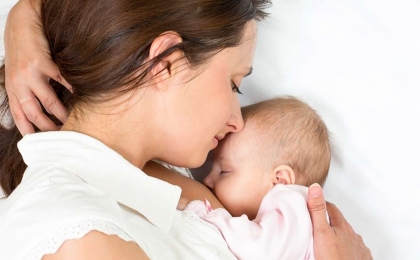
When a breast infection occurs, symptoms such as pain, localized warmth, redness, fever, and chills may occur. Sometimes, a palpable lump may also be present. A painful mass may be observed in the armpit. This mass is a lymph node that tries to prevent the infection from spreading throughout the body.
Infections most commonly occur during breastfeeding. This is because bacteria from the baby’s mouth can pass into the milk ducts. Outside of breastfeeding, the most significant cause of breast infections is smoking. Fungal infections should be investigated, especially in cases of infections that do not respond to antibiotic treatment. Women experiencing breast infections should consult a doctor immediately. Otherwise, an abscess may develop, the infection may spread to the body, and if it is a fungal infection, the entire breast may need to be removed. One of the underlying causes could be breast cancer.
Breast Infection Treatment
If an infection develops during breastfeeding, the first thing to do is stop breastfeeding. If the infection is in only one breast, the baby can be fed from the other breast. Milk should be continuously expressed using a pump. Breast infections are usually treated with antibiotics and anti-inflammatory drugs. The antibiotic used during breastfeeding must be of a type that will not cause side effects in the baby.
One of the important points in treatment is that smoking must be stopped during treatment. Smoking causes constriction in the blood vessels of the surrounding tissues and slows the blood flow to the infection site. Therefore, since the body’s defense mechanism and the antibiotics used cannot reach this area, the bacteria cannot be fully fought.
If an abscess has developed in the breast, the inflammation inside should be surgically drained.
